
Client Story
How a Smarter Website Is Helping the Digital Identity Foundation Reach More Survivors
Some of the websites we build exist to sell a product. This one exists to help someone on one of the hardest days of their life find the door. The moment I understood what the Digital Identity Foundation does, helping them became a priority. When a mission is this important, the website carrying it has to be just as dependable, and we wanted to make sure theirs was.
150%
More survivors finding their site, one week after launch
Minutes
To create interactive donor proposals
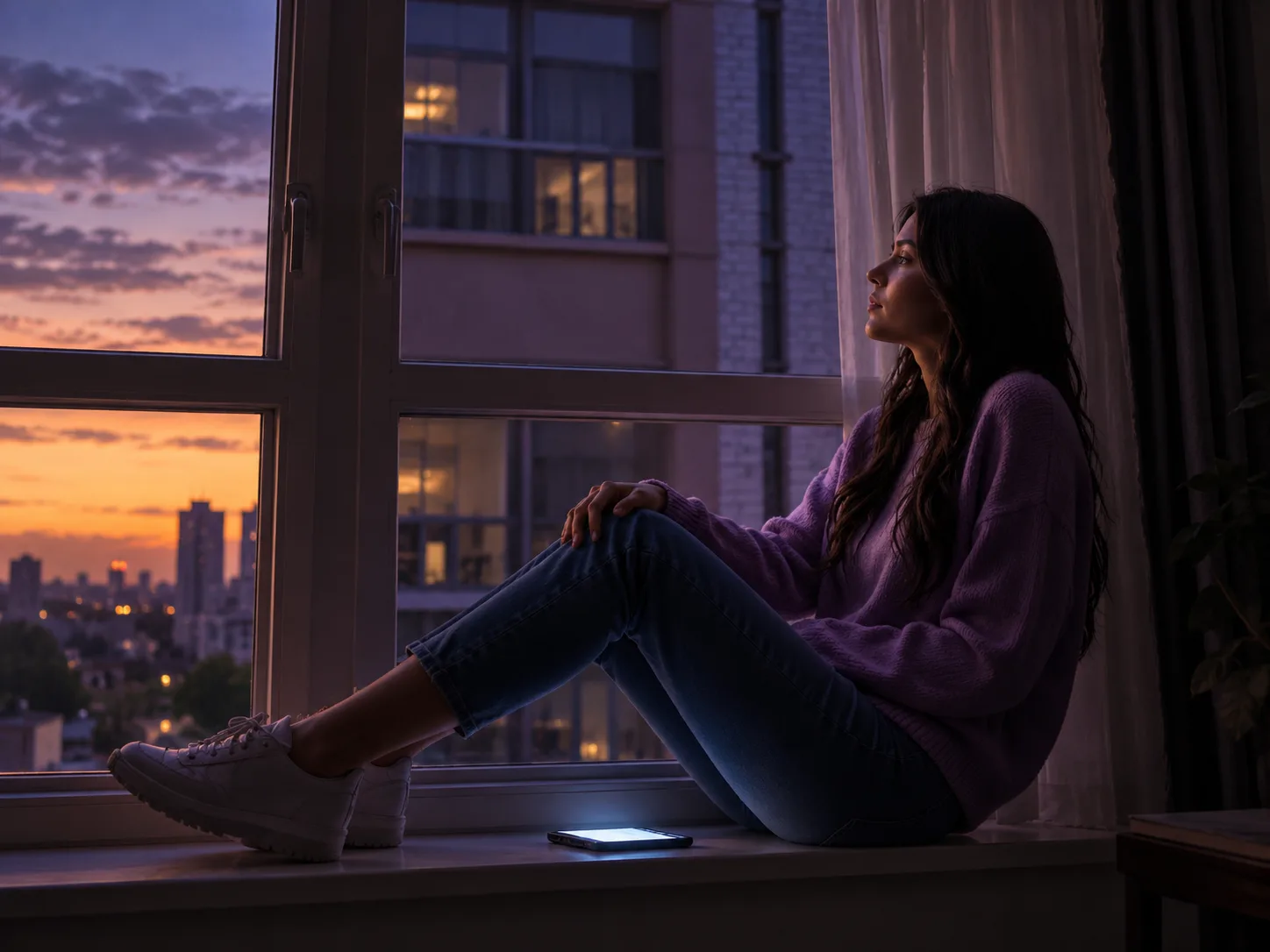
Who is the Digital Identity Foundation?
The Digital Identity Foundation helps survivors of image-based sexual abuse take back their images, their safety, and their lives. That abuse includes deepfakes, sextortion, stolen photos, and intimate images shared without consent. The Foundation connects survivors to free, confidential detection and removal tools, trauma-informed support, and the legal rights they may not know they have.
The problem is bigger than most people realize. According to the Foundation, 22% of U.S. adults have experienced image-based sexual abuse, and 46% of people under 24 are affected. AI is making it worse.
The Foundation's work runs through three programs: the Aster Ellis Fund, which puts detection, removal, and support directly into survivors' hands at no cost; The Complicit Index, which follows the money and names the networks that profit from this abuse; and Research & Education, which turns anonymized data into evidence for lawmakers and educators. The organization is new, but its founders, including Executive Director Andrea Powell, have spent more than two decades in this fight.
Where they started
When I first met Andrea Powell, I was struck by how much she and her team were carrying. They serve survivors in some of the hardest moments of their lives. Their website needed to be a place people could find quickly, trust immediately, and use safely.
The good news: the design foundation was already strong. The warm, hopeful visual language, the aster flower imagery, and the clear calls to “Get Help Now” were doing real work. We didn't need to tear anything down.
The real problem was how the site was being updated. The team had been building on Lovable, an AI website builder, and every change had become a gamble. They would ask for a new image and get the wrong one. They would ask for new copy and the tool would publish a description of their request instead of the content itself. For an organization whose whole mission is protecting people's images and identities, a website that put the wrong pictures and words online was not a small annoyance. It was a risk they couldn't afford.
Andrea made the call to move the Foundation off Lovable and onto a SWATS Smart Website, and she has championed the project from day one.
What we changed
Because the design was already working, our changes were focused and practical.
Light design refinements. We made minor adjustments to polish what was there, keeping the look and feel the Foundation had already built and the survivors they serve already recognize.
ADA compliance. Survivors come to this site from every background and ability. We made the site ADA compliant so that everyone who needs help can navigate it, read it, and reach out, whether they use a screen reader, a keyboard, or a phone in a dark room at 2 a.m.
AI discoverability. More and more people ask ChatGPT, Gemini, or Google's AI answers for help before they ever click a link. We made backend changes so AI tools and search engines can clearly understand who the Foundation is, what it offers, and who it serves. When a young person types “someone made a deepfake of me, what do I do,” we want the Digital Identity Foundation to be part of the answer.
The part they loved most: updating the site by email
The accessibility and AI work mattered. But what got the team genuinely excited was how they update the site now.
No more prompting a builder and hoping it gets it right. No more logins or dashboards. With SWATS, the Foundation simply emails us what they want changed, in plain words, with any photos attached. Here's how it works:
Send the request by email. “Add this new survivor resource to the Get Support page” or “Swap the homepage photo for the one attached.”
Get a preview link back. Our team builds the change and sends a private preview, usually within 30 minutes.
Approve and it goes live. Reply to approve, and it's published.
Every change is reviewed by our monitor before anything goes live. That means the right image, the right words, every time. For a small nonprofit team focused on survivors, that's hours back each week and one less thing to worry about.
The results, in Andrea's words
As the person who chose SWATS for the Foundation, Andrea Powell set a high bar. She brings 20 years of experience building and leading nonprofits that serve survivors of sex trafficking and online sexual violence. She knows what it takes for a survivor to reach out, and how much it matters when they can find help at all.
The impact showed up fast:
In just one week, we had a 150% increase in victims finding us through online searches.
That number represents real people. As Andrea put it, “more young victims of sex trafficking and online abuse are finding us.”
The benefits reached beyond the website, too. As the Foundation builds its donor base and foundation partnerships, Andrea can now create interactive proposals within minutes, and those proposals have already opened partnership conversations with major lifestyle and brand foundations. In her words:
As we build out our donor base and foundation partnerships, I can seamlessly and within minutes create highly interactive proposals that have already yielded partnership conversations with major lifestyle and brand foundations!
Her summary said it best:
This literally could save lives! I truly see this transforming the nonprofit sector in a meaningful and sustaining way.
Why this work matters to us
We build websites for a lot of businesses, but projects like this one remind us why the details matter. An accessible page, a site that AI tools can understand, an update that goes live with the right photo: for the Digital Identity Foundation, each of those can be the difference between a survivor finding help or giving up.
We're proud to support Andrea and her team, and we're just getting started.
If you or someone you know is affected by image-based sexual abuse, the Digital Identity Foundation offers free, confidential support at thedigitalidentityfoundation.org/get-support. You can also support their work at thedigitalidentityfoundation.org/donate.
Run a nonprofit and spending more time fighting your website than serving your mission? See how SWATS works for nonprofits and foundations, or book a free 1-hour session.
— Elizabeth Adams, Co-Founder & Chief Growth Officer, SWATS AI
Source: SWATS AI project notes, The Digital Identity Foundation, and a client testimonial from Executive Director Andrea Powell, 2026.